Samsung Galaxy S22 vs S23: the wise buyer's pocket guide
Comparing the Samsung Galaxy S22 and S23 is a bit of a puzzle. Both are compact 6.1-inch flagships with the same rear cameras, the same design, and the same overall size. On paper, the differences look minor. Spend a day with each and two things stand out immediately: the chip running everything, and how long the battery lasts. This comparison covers what the spec sheets miss and helps you figure out which one, bought refurbished, is the smarter choice for your daily life.
Quick verdict: S23 wins, but the S22 still makes sense
The S23 is the better pick in almost every way: a cooler-running chip, dramatically better battery life, an upgraded 12 MP selfie camera, and one extra year of software support. Choose the Galaxy S22 if the lower refurbished price matters most and your use is light or casual. The rear cameras are nearly identical on both, and Galaxy AI works on both via software update.
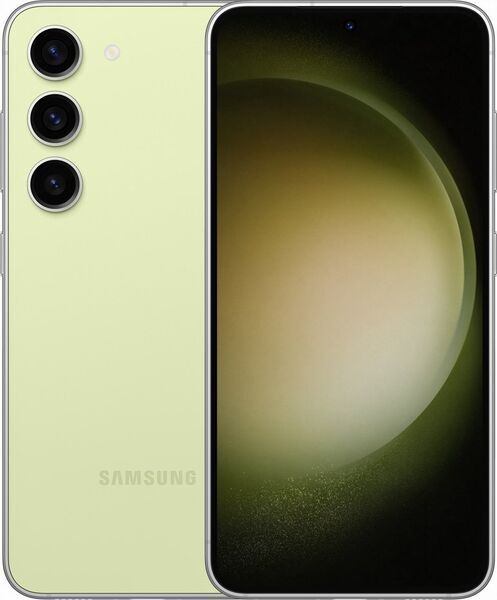
Samsung Galaxy S22 vs S23: specs compared
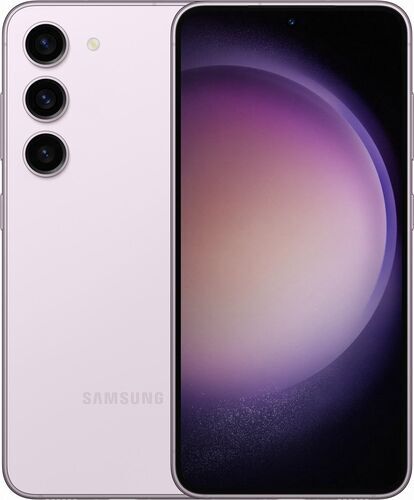
Chipset
Snapdragon 8 Gen 2 (global)
Display
6.1" AMOLED, 120 Hz, HDR10+
Rear cameras
50 MP, 12 MP, 10 MP
Selfie camera
12 MP, 4K video
Battery
3,900 mAh
Bluetooth
5.3
Galaxy AI
Supported
Android
13 and higher
Weight
167 g
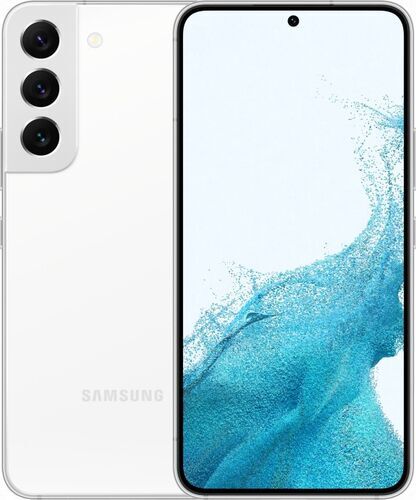
Exynos 2200 (EU market)
6.1" AMOLED, 120 Hz, HDR10+
50 MP, 12 MP, 10 MP
10 MP
3,700 mAh
5.2
Supported
12 and higher
167 g
The real difference: chipset efficiency and battery anxiety
The S22 launched in European markets with the Samsung Exynos 2200. It was capable, but ran warm under sustained load, throttled during extended gaming sessions, and drained the 3,700 mAh battery faster than the spec suggested. Many S22 owners ended the day at 10 to 15%, power bank in hand as a daily habit.
The S23 corrected this with the Snapdragon 8 Gen 2, available in every market worldwide. The improvement is not raw speed; daily tasks feel much the same. It is efficiency. The chip runs cooler, holds performance steady, and extracts far more runtime from the 3,900 mAh battery. Finishing the day above 40% becomes the norm.
The S23 also ended the regional chipset lottery. European S22 units shipped with Exynos; S23 buyers everywhere received the same Snapdragon 8 Gen 2. For anyone buying refurbished outside the US, that consistency is a meaningful advantage.
Cameras: closer than the upgrade cycle suggests
Both phones share the same three rear sensors: a 50 MP main camera, a 12 MP ultrawide, and a 10 MP telephoto with 3x optical zoom. In everyday photos, the color and sharpness difference is minimal, and most people cannot spot it in a blind test.
The S23 edges ahead in a few specific areas: 3x zoom shots are marginally sharper, 8K video runs at 30 fps instead of 24 fps, and the new 12 MP selfie sensor adds meaningful HDR quality and 4K video capability.
Two honest S22 advantages worth knowing: in blind selfie portrait tests, the S22 produces more natural background blur while the S23 is sharper and more processed. And in night shots, the S22 preserves shadow detail more conservatively; the S23 applies stronger tone mapping for more contrast straight out of camera. Neither camera gap alone is a compelling reason to upgrade.
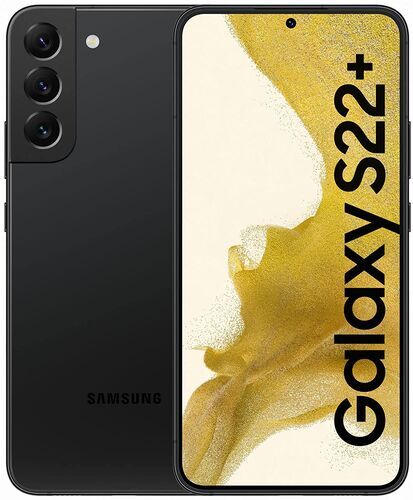
Galaxy S22+ vs S23+: the step-up models
The Plus models follow the same generational logic, with a few additions worth knowing.
Both use a 6.6-inch screen and weigh 195 g. The Galaxy S22+ 5G packs a 4,500 mAh battery, which eases the Exynos efficiency gap compared to the base S22. Day-to-day battery life on the S22+ is noticeably more comfortable. The Galaxy S23+ pairs a 4,700 mAh battery with the Snapdragon 8 Gen 2, for the most comfortable all-day performance in this generation.
One practical advantage both Plus models share over the base versions: significantly faster wired charging. For commuters and frequent travelers, a quicker refill makes a real difference.
The upgrade direction mirrors the base comparison. The S23+ wins on every performance and efficiency measure. The S22+ remains a strong refurbished option when price is the deciding factor.
Samsung Galaxy S22+ vs S23+: specs compared
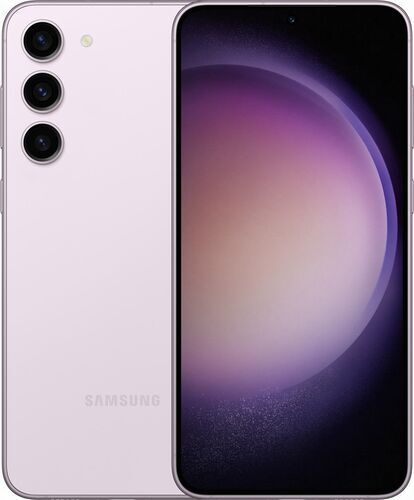
Chipset
Snapdragon 8 Gen 2 (global)
Display
6.6" AMOLED, 120 Hz
Battery
4,700 mAh
Connector
USB-C 3.2
Bluetooth
5.3
Galaxy AI
Supported
Weight
195 g
Exynos 2200 (EU market)
6.6" AMOLED, 120 Hz
4,500 mAh
USB-C 3.0
5.2
Supported
195 g
Which Samsung Galaxy should you buy?
Power users and daily commuters: Go with the Galaxy S23. Battery anxiety changes how you use your phone. S22 owners carried spare power banks as a reflex; S23 owners leave home without one.
Casual and light users: The Galaxy S22 at its refurbished price is a compelling option. Galaxy AI works on both via software update, and the cameras cover social and everyday photos just as well.
Gamers: Choose the S23. It holds higher frame rates over longer sessions and stays cool through extended play.
Compact phone fans: Either. Both are 6.1-inch phones in a market that has largely moved to 6.5 inches and beyond. For one-handed use, both deliver.
Buying refurbished in Europe: The S23 is the stronger pick. European refurbished S22 units carry the Exynos 2200; the S23 runs the Snapdragon 8 Gen 2 in every market.
Already on an S23? Nothing here warrants the change.
Refurbished Samsung Galaxy: smarter buy, lower footprint
Every Samsung on refurbed is professionally tested, cleaned, and reset before it reaches you. Key functions, including screen, cameras, speakers, buttons, and connectivity, are checked and verified.
You also get a minimum 12-month warranty and 30 days to return the phone if it is not the right fit. With Galaxy AI available on both the S22 and S23 via software update, buying refurbished does not mean missing out on Samsung's latest software features.

Refurbished Samsungs: the environmental difference
Each refurbished Samsung sold on refurbed avoids verified environmental impact vs buying new. Based on scientific research by Fraunhofer Austria (ISO 14040/14044 verified):
SAVINGS vs. new product:
Model | CO₂ saved | Water saved | E-waste saved
Galaxy S22 5G (128 GB) | 66.3 kg (84% less) ↓ 24,773 L (87% less) ↓ 138.7 g (74% less)
Galaxy S23 (128 GB) | 40.9 kg (76% less) ↓ 15,659.3 L (81% less) ↓ 138 g (74% less)
Galaxy S22+ 5G (128 GB) | 78.5 kg (85% less) ↓ 29,181.8 L (88% less) ↓ 160.8 g (75% less)
Galaxy S23+ (256 GB) | 78.4 kg (85% less) ↓ 29,166.5 L (88% less) ↓ 160.1 g (74% less)
Samsung Galaxy S22 vs S23: FAQs
Is the Samsung Galaxy S22 still worth buying?
Yes, particularly at its current refurbished price. For casual use, social photos, and light-to-moderate workloads, the S22 covers everything well. Galaxy AI is available on both via software update. Note that European refurbished units carry the Exynos 2200 chipset.
What is the biggest real-world difference between the S22 and S23?
Battery life and sustained performance. The S23's Snapdragon 8 Gen 2 runs cooler and more efficiently than the Exynos 2200, translating to dramatically better all-day battery life. The cameras are nearly identical.
Do both the S22 and S23 have Galaxy AI?
Yes. Samsung rolled out Galaxy AI to both the S22 and S23 series via software update.
Is the S22+ or S23+ worth considering?
Both Plus models are worth a look for anyone wanting the larger 6.6-inch screen and faster wired charging. The S23+ wins on battery life and chip efficiency; the S22+ is the more affordable refurbished option.

Sign up for our newsletter for the first time and save 65 zł!
Never miss an offer again.
Information about the use of personal data can be found in our Privacy policy.
Get the refurbed app
For iOS and Android


Confirm sign-up
Almost done: We’ve sent you a confirmation email
- © Refurbed Marketplace GmbH
- Accessibility
- T&C
- Privacy Policy
- Imprint
- Legal Notices
- European Data Act
- Cookie Policy